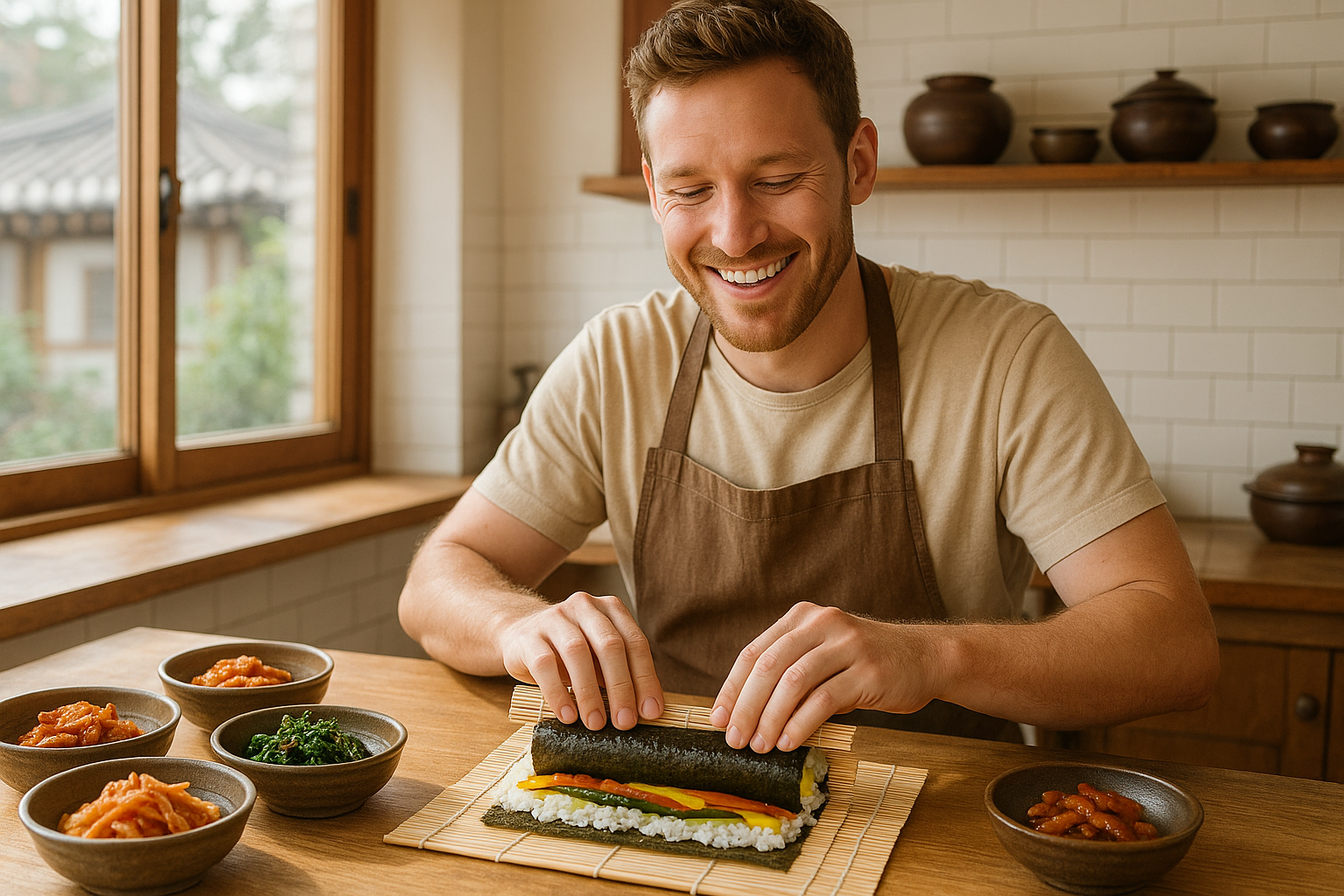
A Korean cooking class Seoul booking is easiest to choose when you compare three things first: the dish you actually cook, whether a market tour is included, and how beginner-friendly the English instruction is.
Book a beginner-friendly Korean cooking class on Klook →
This Korean cooking class Seoul guide covers the top 8 Korean cooking classes in Seoul for 2026, ranked by value, experience quality, location, and what you’ll actually cook.
—
Korean Cooking Class Seoul: Quick Answer
🎟️ Book Your Korean Cooking Class Seoul Experience
Skip the queues and language barriers. Compare verified tours, tickets, and rentals for Korean Cooking Class Seoul on Klook — instant mobile vouchers, English support, free cancellation on most activities.
For a first Seoul trip, choose a Korean cooking class Seoul visitors can pair with a nearby neighborhood plan. Jongno classes work well before Bukchon Hanok Village, market classes pair naturally with Gwangjang Market food stops, a BBQ-focused class is useful before booking dinner from the best Korean BBQ restaurants in Seoul for foreigners, and dessert fans can finish with the best bingsu Seoul summer 2026 guide.
—
Why Take a Korean Cooking Class in Seoul?
Korean cuisine has exploded in global popularity — thanks in no small part to K-dramas, K-pop, and the international reach of dishes like samgyeopsal and army stew. But tasting the food is one thing; understanding how it’s made is another.
Here’s why a cooking class should be on your Seoul bucket list:
- It’s a cultural deep-dive. Korean food is inseparable from Korean history, seasons, and family traditions. A good instructor will tell you why kimchi is fermented, not just how.
- You get a meal out of it. Every class ends with eating what you made — often with makgeolli (traditional rice wine) on the side.
- The skills travel home with you. Unlike a tour or museum visit, you leave with a recipe card and a skill you can actually use.
- It’s surprisingly affordable. Most group classes in Seoul run between $40–$80 USD per person — far cheaper than equivalent culinary experiences in Europe or Japan.
—
What to Expect From a Korean Cooking Class in Seoul
Most classes in Seoul follow a similar structure:
Most classes are taught in English and welcome complete beginners. Group sizes are usually 6–12 people, keeping things personal.
—
Top 8 Korean Cooking Classes in Seoul for 2026
1. Traditional Korean Cooking Class Near Gyeongbokgung (Klook Pick)
What you’ll make: Bibimbap, doenjang jjigae (soybean paste stew), and a side dish
Duration: 3 hours | Price: ~$65 USD
Location: Jongno-gu (5-minute walk from Gyeongbokgung Palace)
This is one of the most popular options on Klook for good reason. The class is held in a beautifully renovated hanok (traditional Korean house), and the instructor is a certified culinary teacher who runs classes in English and Japanese. You’ll learn proper knife technique for Korean cooking — a skill that translates to many dishes.
Best for: First-timers, couples, solo travelers
—
2. Kimchi-Making Class in a Local Seoul Home
What you’ll make: Baechu kimchi (napa cabbage kimchi) + optional kkakdugi (radish kimchi)
Duration: 2 hours | Price: ~$45 USD
Location: Mapo-gu or Jongno-gu (varies by provider)
This is the class for kimchi obsessives. You’ll visit a local Korean family’s home kitchen (or a studio designed to feel like one), stuff and season your own kimchi, and leave with a sealed jar of your creation to take home or to your hotel. The instructor explains the science of fermentation, the regional variations of kimchi across Korea, and the cultural role of kimjang — the communal tradition of making kimchi together before winter.
Best for: Foodies, culture enthusiasts, anyone who’s watched Kimchi Chronicles
—
3. Korean Street Food Cooking & Market Tour
What you’ll make: Tteokbokki, pajeon (scallion pancakes), and hotteok (sweet pancakes)
Duration: 3.5 hours | Price: ~$70 USD
Location: Gwangjang Market area, Jung-gu
This class starts with a guided walk through Gwangjang Market — one of Seoul’s oldest and most vibrant traditional markets — where you’ll source ingredients with your instructor. Then you head to the kitchen to recreate three beloved street food dishes. It’s part food tour, part cooking class, and entirely delicious.
Best for: Adventurous eaters, street food fans, small groups
—
4. Korean BBQ Home Cooking Class
What you’ll make: Samgyeopsal (grilled pork belly), bulgogi marinade, banchan sides
Duration: 2.5 hours | Price: ~$75 USD
Location: Hongdae area, Mapo-gu
Korean BBQ in a restaurant is fun — but understanding the craft behind it is even better. This class teaches you how to marinate bulgogi and galbi correctly, which cuts of meat to use, how to build the perfect lettuce wrap (ssam), and which banchan pairings make sense. You’ll come away with the ability to throw a proper Korean BBQ party back home.
Best for: BBQ lovers, couples, groups of friends
—
5. Hansik (Traditional Korean Cuisine) Masterclass
What you’ll make: A full set of traditional Korean course dishes — soup, main, and 5 banchan
Duration: 4 hours | Price: ~$95 USD
Location: Insadong or Bukchon area
For those serious about Korean cuisine, this deep-dive class is worth every won. Taught by a professional Korean chef with restaurant experience, you’ll cook a full hansik (traditional Korean meal) spread including a seasonal soup, a main dish, and five different banchan (side dishes). The instructor explains the philosophy behind balanced eating in Korean culture — the harmony of colors, textures, and flavors that define traditional Korean dining.
Best for: Culinary enthusiasts, longer-stay visitors, food bloggers
—
6. Tteok (Korean Rice Cake) Making Class
What you’ll make: Songpyeon, injeolmi, and seasonal tteok varieties
Duration: 2 hours | Price: ~$50 USD
Location: Jongno-gu or Seongbuk-gu
Tteok (Korean rice cakes) are central to Korean celebrations — from holidays to birthdays to weddings. This specialized class teaches you the delicate process of making tteok from scratch, including pounding rice flour and shaping the cakes by hand. The instructor explains which tteok are eaten at which occasions, and you’ll leave with a beautifully packaged box of your creations.
Best for: Those with a sweet tooth, cultural explorers, families with older kids
—
7. Vegan & Vegetarian Korean Cooking Class
What you’ll make: Jeon (vegetable pancakes), japchae, bibimbap with plant-based banchan
Duration: 3 hours | Price: ~$60 USD
Location: Mapo-gu or Seodaemun-gu
Korean food has incredible vegetarian depth — most people just don’t know it yet. This class is specifically designed for vegan and vegetarian travelers and covers plant-forward Korean dishes that don’t compromise on flavor. You’ll learn how to use doenjang, ganjang, and sesame to build the deep, savory notes that Korean cuisine is known for, entirely without meat.
Best for: Vegan/vegetarian travelers, health-conscious foodies
—
8. Family & Kids Korean Cooking Experience
What you’ll make: Kimbap (Korean seaweed rolls), simple mandu (dumplings), dessert tteok
Duration: 2 hours | Price: ~$55 USD per adult, $40 per child
Location: Songpa-gu or Mapo-gu
Traveling to Seoul with kids? This family-friendly class is designed for little hands. Children from age 6 upward will love rolling their own kimbap and folding mandu, while parents learn the cooking techniques alongside them. The instructors are experienced with non-Korean-speaking children and keep the pace fun and engaging.
Best for: Families, parents with kids ages 6–14
Browse family-friendly Seoul cooking experiences on Klook →
—
How to Choose the Right Cooking Class
With so many options, here’s a quick decision guide:
| Your priority | Best class type |
|---|---|
| Learn the most | Hansik Masterclass (#5) |
| Most fun | Street Food + Market Tour (#3) |
| Best value | Kimchi-making class (#2) |
| Best for couples | Korean BBQ class (#4) |
| Best for families | Kids experience (#8) |
| Sweet tooth | Tteok class (#6) |
—
What You’ll Learn: Key Korean Dishes
Across most Seoul cooking classes, you’re likely to encounter:
- Kimchi — fermented spicy cabbage, the backbone of Korean cuisine
- Bibimbap — mixed rice bowl with vegetables, egg, gochujang
- Tteokbokki — chewy rice cakes in spicy-sweet sauce
- Japchae — glass noodles stir-fried with vegetables and soy sauce
- Pajeon — savory green onion pancakes (especially good with makgeolli)
- Doenjang jjigae — rich fermented soybean paste stew
- Kimbap — Korean seaweed rice rolls
—
Practical Tips for Your Seoul Cooking Class
Book 2–4 days in advance. Weekend slots, especially Saturday mornings and Sunday afternoons, fill up fast in May and October. Booking via Klook usually gets you the most flexible cancellation policy.
Wear comfortable, close-toed shoes. You’ll be standing at a counter for 2–3 hours. Kitchen rules often prohibit open-toed shoes.
Tell them about allergies upfront. All reputable class operators ask about dietary restrictions at booking, but double-check at the door — especially for shellfish, which appears frequently in Korean stocks and sauces.
Bring a reusable bag. You’re likely to leave with leftover food, a recipe card, and possibly a jar of kimchi. A tote bag makes this much easier.
Don’t eat a big meal beforehand. You’ll be cooking and eating — pace yourself.
Check the official Seoul tourism calendar. The Visit Seoul official website lists seasonal food festivals and pop-up culinary events that sometimes run alongside cooking classes in May and October.
A Korean cooking class Seoul morning pairs well with a food-focused afternoon. Use the class to understand ingredients, then compare those flavors at Gwangjang Market or at a beginner-friendly Korean BBQ dinner. In summer, finish the food crawl with the best bingsu Seoul summer 2026 guide.
—
Frequently Asked Questions
Do Korean cooking classes in Seoul teach in English?
Yes — the vast majority of cooking classes marketed to tourists in Seoul are conducted in English. Many also accommodate Japanese and Chinese speakers. Always confirm the language when booking.
How much does a Korean cooking class in Seoul cost?
Group cooking classes typically cost $40–$80 USD per person. Private classes or specialized experiences (hansik masterclasses, market tours) run $80–$120. Prices include all ingredients and usually a meal.
Where are most Korean cooking classes located in Seoul?
The highest concentration is in Jongno-gu (near Gyeongbokgung Palace and Insadong), Mapo-gu (Hongdae and Sinchon area), and Jung-gu (near Gwangjang Market). Most are 10–20 minutes by subway from major tourist hotels.
Can I take a Korean cooking class as a solo traveler?
Absolutely. Most group classes welcome solo travelers and pair you with other visitors. It’s a great way to meet fellow travelers. Some solo-focused operators guarantee a minimum group size so you’re not alone.
Is a Korean cooking class Seoul experience worth it vs. just eating out?
Yes. They’re complementary experiences. Cooking classes give you skills and cultural context that restaurant dining doesn’t. Do both — eat at a traditional restaurant one evening, take a class another morning.
How far in advance should I book a cooking class in Seoul?
For peak travel months (April–May, September–October), book at least 3–5 days ahead. For popular weekend slots, a week in advance is safer. Off-season (January–February), same-day booking is often possible.
—
Ready to Cook Korean Food in Seoul?
A Korean cooking class Seoul booking is one of the most tangible souvenirs you’ll take home from Seoul — a skill, a recipe, and a story. Whether you’re there for the kimchi, the bibimbap, or the sheer joy of learning something new in a foreign kitchen, Seoul’s cooking class scene has something for every level and interest.
Book a hands-on Korean cooking class in Seoul on Klook →
For guided options with English-speaking instructors and free cancellation:
Browse Seoul cooking experiences on Klook →
Happy cooking — and 맛있게 드세요! (Bon appétit in Korean)
Curious about the dishes you’ll cook? Our complete guide to Korean food covers the classics, from stews and BBQ to street snacks.
Disclosure: SeoulScope is a participant in the Klook and Agoda affiliate programs. We may earn a small commission when you book through links in this post, at no extra cost to you. We only recommend experiences we believe will genuinely help your trip.
1 thought on “Korean Cooking Class Seoul: Kimchi, Market Tours & Prices (2026)”