This Jeju Island 4-day itinerary is built for spring 2026 visitors who want to see the highlights without rushing.
This itinerary is built for first-time visitors who want to hit the must-sees (Hallasan, Seongsan Ilchulbong, the lava tubes) without ending up in a tourist trap line for three hours. I’ve structured it so you work east-to-west, minimizing backtracking.
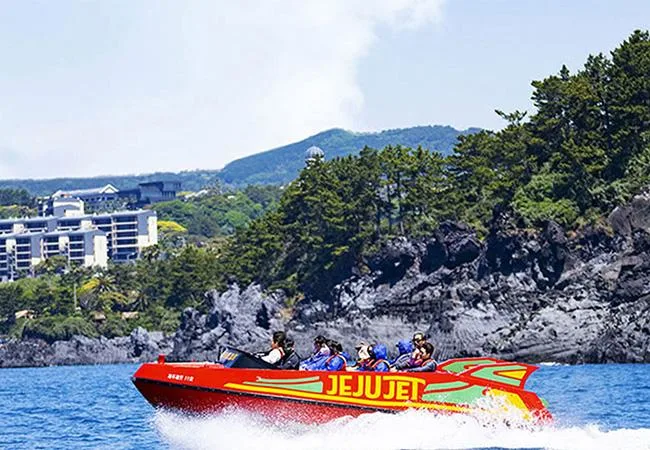
Book Jeju activities on Klook — the selection is wider than the airport kiosks and prices are locked in before you land. See what’s included →
Jeju Island 4-Day Itinerary: Day-by-Day Breakdown
Day 1: Arrival & East Jeju — Seongsan Ilchulbong and Manjanggul
Morning: Land and Head East
Most flights from Seoul (Gimpo or Gimhae) reach Jeju in under an hour. If you’re arriving in the morning, go straight east — traffic is lighter before 10 AM, and Seongsan Sunrise Peak (Ilchulbong) is worth seeing when the light is still soft.
Rent a car at the airport. Jeju’s public bus routes exist but they’re slow for a 4-day trip. A compact car runs ₩40,000–60,000/day. Book through Klook for English-language support and airport pickup.
Seongsan Ilchulbong (성산일출봉)
A UNESCO-listed volcanic crater rising 180 meters out of the ocean. The hike to the rim takes about 20–30 minutes. The view at the top — crater on one side, ocean and rapeseed fields on the other — is one of those moments that justifies the flight.
Entry: ₩5,000 adults (free with Korean Culture Pass)
Hours: 05:00–20:00 (seasonal; last entry 1 hour before close)
Get directions on Naver Map
Lunch: Haenyeo Restaurant in Seongsan Village
The haenyeo (free-diving women) of Jeju are a UNESCO cultural heritage. In Seongsan, you can eat the seafood they harvested that morning. Look for “해녀의집” signs near the harbor. A bowl of abalone porridge (전복죽) runs ₩12,000–15,000.
Afternoon: Manjanggul Lava Tube
Twenty minutes west of Seongsan, Manjanggul is one of the longest lava tubes in the world — 13.4 km total, with 1 km open to visitors. Inside: 18°C regardless of outside temperature, dramatic basalt columns, and a 7.6-meter lava pillar at the far end.
Entry: ₩4,000 adults
Hours: 09:00–18:00
Evening: Check In Near Seongsan or Pyoseon Beach
Staying on the east side tonight saves you 40 minutes of driving tomorrow. Look for guesthouses or pensions in the Pyoseon Beach area — quieter and cheaper than Jeju City hotels.
Day 2: Hallasan Mountain — The Island’s Backbone
Why Hallasan First on Day 2
Hallasan is South Korea’s tallest peak at 1,950 meters. You need to be on the trail by 08:00 to summit via the Seongpanak route (9.6 km, 5–6 hours round trip) and make the 14:00 cutoff for the summit shelter.
Don’t underestimate this hike. It’s classified as difficult. Pack layers — the summit is 10–15°C colder than the coast even in April. Water, snacks, hiking poles if you have them.
- Seongpanak Trailhead: Eastern approach, most popular route to the summit crater lake (Baengnokdam)
- Eorimok Trailhead: Western approach, ends at Witseoreum shelter (summit view but not the crater)
The crater lake at Baengnokdam is still partially frozen in early spring, surrounded by dwarf birch scrub. On a clear day, you can see the coastline in all directions.
Admission: Free
Hours: First entry 06:00, summit cutoff 14:00 (Seongpanak route)
Check the official Jeju National Park conditions before your hike — the summit closes in high winds.
Evening: Jeju City for Dinner and Night Market
Drive down to Jeju City (~1 hour from east side). Your legs will be cooked. Dinner at Dongmun Night Market — a covered market where you can eat grilled pork (Jeju black pig), spicy tteokbokki, and fresh seafood.
Jeju black pig (흑돼지) is worth ordering — a local breed with a distinct flavor. Expect ₩18,000–25,000 for 200g.
Day 3: West Jeju — Rapeseed Fields, Hyeopjae Beach & Hallim Park
Morning: Sanbanggulsa Temple and Rapeseed Fields
The southwest area of Jeju is where spring photography happens. Sanbanggulsa is a cave temple carved into a volcanic rock face, with sweeping yellow rapeseed fields in the foreground.
The rapeseed (유채꽃) season peaks late April to early May 2026 — you’re hitting it perfectly.
“The smell of canola flowers in the morning wind — follow it to Sanbanggulsa, and you’ll understand why people plan entire trips around this one photo.”
Entry to temple area: ₩2,500 adults
Nearby: Sanbangsan Lava Plateau — a flat lava landscape with orange wildflowers in spring.
Midday: Hyeopjae Beach
Jeju’s west coast has the clearest water on the island. Hyeopjae Beach has white sand and turquoise water that looks tropical even in April (water temp ~15°C — not for swimming, but beautiful for photos).
From Hyeopjae, you can walk to Biyangdo Island at low tide. Check tide tables at the beach entrance.
Afternoon: Hallim Park
A 30-minute walk from Hyeopjae, Hallim Park combines two natural lava tubes (Hyeopjae and Ssangyonggul) with a stone park, butterfly garden, and bonsai garden. The lava tubes here have colored lighting that makes for very different photos compared to Manjanggul.
Entry: ₩15,000 adults
Hours: 09:00–18:00
Add this to your Jeju itinerary
Evening: Jeju City or Aewol Area
Aewol (the northwest) has become Jeju’s cafe scene — ocean-view cafes perched on black lava rock. Several independent cafes along the Aewol coastal road are worth a sunset stop before checking into Jeju City.
Day 4: Southern Coast — Oedolgae Rock and Cheonjiyeon Waterfall
Morning: Oedolgae Rock (외돌개)
A 20-meter basalt sea stack rising from the ocean near Seogwipo. The coastal walking trail from Oedolgae to Saebeom Park takes about 40 minutes and is one of Jeju’s best easy hikes — no elevation, dramatic sea views.
“Most visitors head to Seongsan. The ones who come back go to the south coast — and Oedolgae at 9 AM is yours alone.”
Admission: Free
Get directions on Naver Map
Midday: Seogwipo City — Cheonjiyeon Waterfall
Seogwipo is Jeju’s second city, built on a dramatic coastal cliff. Cheonjiyeon Waterfall (천지연) drops 22 meters into a pool where endangered eels live. The walk through the subtropical forest to reach it is almost as good as the waterfall itself.
Entry: ₩2,000 adults
Hours: 09:00–22:00
Lunch in Seogwipo: Agro Market Hall or one of the fish restaurants on the harbor. Hairtail fish (갈치) is Seogwipo’s local specialty — grilled or braised, order it at least once.
Afternoon: Head to Airport with a Stop at Camellia Hill (Optional)
If your flight is late afternoon or evening, Camellia Hill in Andeok Valley is 30 minutes from Seogwipo. In spring, the camellia blooms have faded but the grounds are still pleasant.
Return car to Jeju Airport: Allow 90 minutes from Seogwipo for buffer — airport traffic is unpredictable in the afternoon.
Practical Information
Getting to Jeju
- Flight: Seoul Gimpo → Jeju (55 min), Seoul Incheon → Jeju (1h15min). Multiple airlines — Korean Air, Asiana, Jeju Air, Eastar.
- Ferry: Mokpo or Busan to Jeju (9–13 hours). Slower but cheaper and includes your car.
Car Rental Tips
- Book in advance for spring: Klook car rental includes English-language insurance explanations
- International driver’s license required for most agencies
- GPS is included — download offline maps as a backup
Where to Stay in Jeju
| Area | Best For | Price Range |
|---|---|---|
| Jeju City | Airport access, nightlife | ₩80,000–200,000/night |
| Seogwipo | South coast, waterfalls | ₩90,000–250,000/night |
| Seongsan | Day 1 sunrise, eastern sights | ₩60,000–150,000/night |
| Aewol | Ocean cafes, western coast | ₩100,000–300,000/night |
Jeju Island Guided Tour Option
If you don’t want to drive, full-day tours cover east or west Jeju with an English guide. Best for solo travelers or groups without an international license.
Reserve your spot (limited availability)
FAQ
How many days is enough for Jeju Island?
Four days is the practical minimum to cover the highlights without feeling rushed — Hallasan, Seongsan, the lava tubes, and the south coast. With 3 days you’ll need to cut Hallasan or the southwest.
Is it worth renting a car in Jeju Island?
Yes. Jeju’s public buses run to major sites but the schedule is slow and connections require 30–60 minute waits. With a car, you cover the same itinerary in half the time and reach viewpoints before the tour buses arrive.
What is the best time to visit Jeju Island in 2026?
Late April and early May 2026 — rapeseed fields are in full bloom, summer crowds haven’t started, and temperatures are comfortable (18–24°C on the coast). Peak summer (July–August) is hot, humid, and crowded.
How much does a coffee cost in Jeju Island in 2026?
₩5,000–9,000 for espresso drinks at independent cafes. Aewol ocean-view cafes charge ₩7,000–12,000. Add ₩1,000–2,000 for specialty drinks like ube lattes or citrus-infused drinks.
Can I do Jeju Island as a day trip from Seoul?
Technically yes — flights take under an hour each way. But a day trip only gives you 6–7 hours on the island, enough for one or two sites. Four days is the recommended minimum.
Your 4-Day Jeju Checklist
- Day 1: Seongsan Ilchulbong → Manjanggul Lava Tube → East coast guesthouse
- Day 2: Hallasan summit hike (early start 06:00) → Jeju City Dongmun Night Market
- Day 3: Sanbanggulsa rapeseed fields → Hyeopjae Beach → Hallim Park → Aewol cafe sunset
- Day 4: Oedolgae Rock → Seogwipo waterfalls → Camellia Hill (optional) → Airport
*Also planning your time in Seoul? Read about the best cafes in Hongdae for couples, the best street food in Myeongdong, and if you’re connecting by KTX, the Seoul to Busan by train guide.
1 thought on “Jeju Island 4-Day Itinerary (Spring 2026): Day-by-Day Guide with Activities & Hotels”